Soviet online shopping search
Simply find the best possible online shopping Soviet deals
Soviet shopping marketplace results
Shop Soviet products and compare prices and listings on popular online marketplaces.
Soviet video reviews
Soviet news
Soviet - BingNovice
5 Soviet superheroes in World War II who terrified the Nazis
1. Zinoviy Kolobanov: the tank victory that no one believed
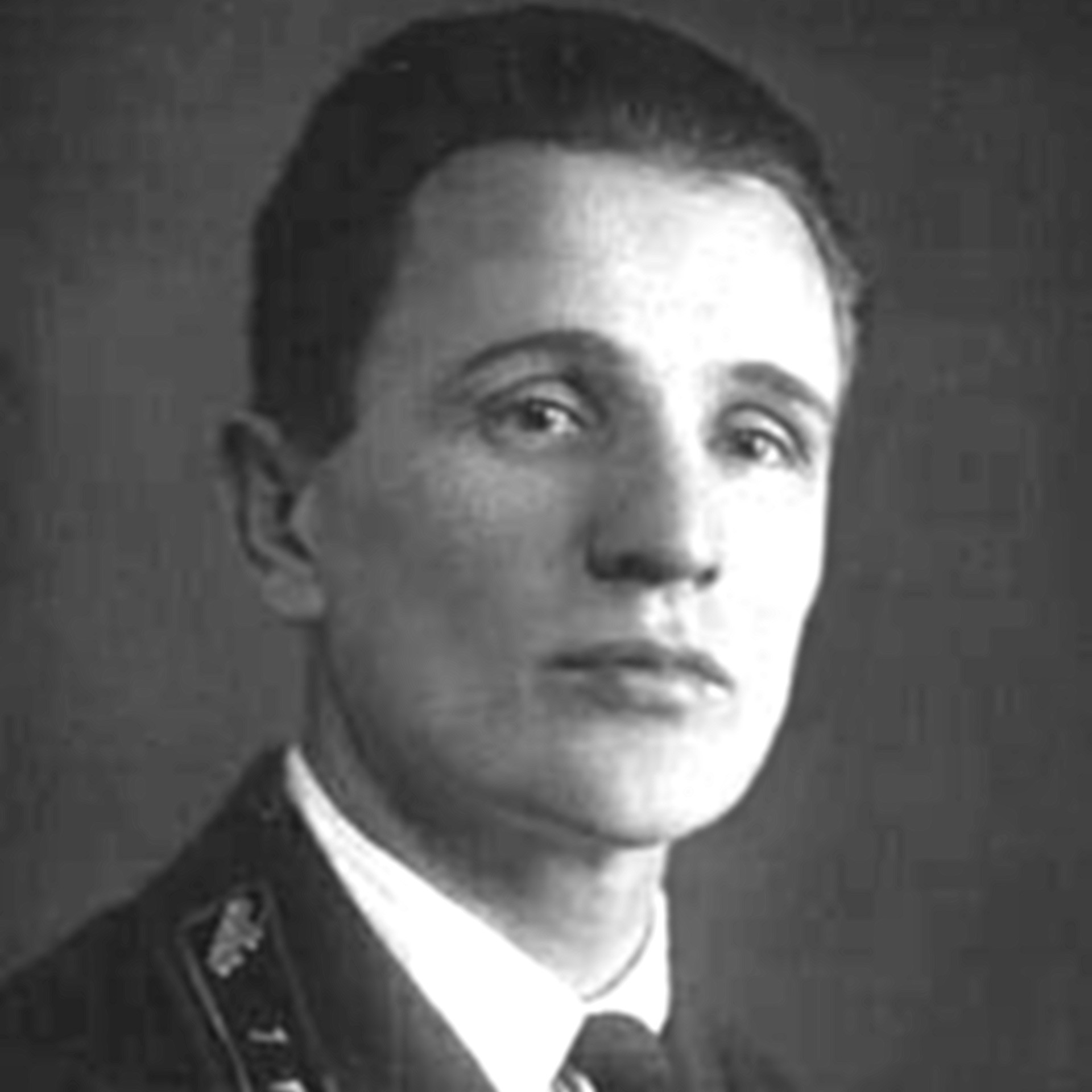
Zinoviy Kolobanov
Jakov Slavin/WikipediaWhen World War II began, Zinoviy Kolobanov already had serious military experience. For example, he fought in the Finnish War of 1939-1940, during which he escaped from a burning tank three times.
In 1941, Kolobanov commanded a tank unit during the German advance toward Leningrad (now St. Petersburg). Near the village of Voskovitsy, Kolobanov’s unit got the order to defend the road leading to the town of Krasnogvardeysk (now Gatchina, 26 miles outside Leningrad). With only 5 heavy KV-1 tanks at his disposal, Kolobanov moved his unit to an important crossroads where he ordered two tanks to block the two roads to Krasnogvardeysk. Meanwhile, he strategically parked his tank 300 meters away in a hull-down position, such that it was barely visible.
As the German tanks approached their troops were overly confident, some even sitting on the hulls with hatches open. Clearly, they didn’t spot Kolobanov’s tank in a hull-down. Andrey Usov, Kolobanov’s ace gunner, destroyed the first and the last of the 22 tanks in the enemy column, effectively blocking them on a narrow road surrounded by swamp. The rest of the tanks were all…
What Made This Man Betray His Country?
His family and friends called him Adik. His eyes were the color of ash, under a broad forehead and thick brown hair, with a crook in the bridge of his nose from a boyhood hockey accident. He stood about five feet six inches tall. Adolf Tolkachev seemed a quiet fellow to those who knew him. He was so reserved that he never told his son what he did at work, in a Soviet military-design laboratory where he specialized in airborne radar.
But his mind was not at ease. He was haunted by a dark chapter of Soviet history, and he wanted revenge.
His anger drove him to become the most successful and valued agent the CIA had run inside the Soviet Union in two decades. The documents and drawings he passed to the United States in the early 1980s unlocked the secrets of Soviet radar and revealed sensitive plans for research on weapons systems a decade into the future. His espionage put the United States in position to dominate the skies in aerial combat and confirmed the vulnerability of Soviet air defenses—that American cruise missiles and bombers could fly under the radar.
As in many other areas of technology, the…
The Soviet Family
on the World Today

IN the first years after the Bolshevik Revolution of 1917, Russian leaders believed that by removing both the legal and economic bonds of family life they would make possible the development of “true monogamy” and “true family unity.” This conception underlay the Soviet Family Code of 1926, in which both marriage and divorce were made a matter of private agreement.
Marriage was treated in law as a de facto relationship; registration of marriage, although encouraged, was not essential. Similarly, divorce could be accomplished merely by factual separation — although, again, the husband or wife was encouraged to notify the Bureau of Vital Statistics, at least bypostcard.
The liberalization of marriage and divorce was part of a larger program leading to the ultimate “withering away of the family”— that is, of the family as a legal and economic institution. Inheritance was at first declared to be abolished, and was later reintroduced with very severe restrictions. Extramarital children were given full equality with those born in wedlock. Abortions were legalized and could be obtained free of charge at state hospitals. Women were relieved of practically all legal and economic disabilities in an effort to emancipate them from dependence…